What am I doing to cause my ribs to come out of alignment?
- posted: Dec. 18, 2023
What am I doing to cause my ribs to come out of alignment?
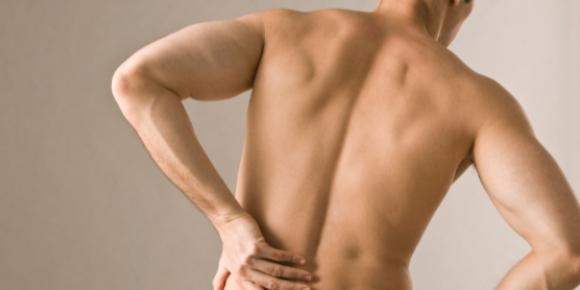
If you have had a rib "go out" or if you've been told you that you have a "rib subluxation" it simply means your rib is not where it should be and lacks proper motion in the joint. This can cause muscle spasming, inflammation, pain with taking a deep breath and pain with many thoracic spine movements.
Rib subluxations can even cause inflammatory conditions such as costochondritis, myositis, and intercostal neuritis, that can all cause pain in the ribs and even radiating pain to the front of the chest at and sternum.
Individuals who have had rib subluxations or misalignment know how "finicky" ribs can be even after they get properly adjusted. They can be easily re-aggravated and often take more than one chiropractic adjustment to get back to no pain and full range of motion. So, the question we get all of the time at our chiropractic clinic is "what am I doing to cause my ribs to come out of alignment?" This blog will answer exactly that!

Here are some common causes in which ribs get misaligned
Bending and twisting
Lifting in a hurry, with poor form, is a quick way to pull a rib out of alignment. The bending, twisting and lifting mechanism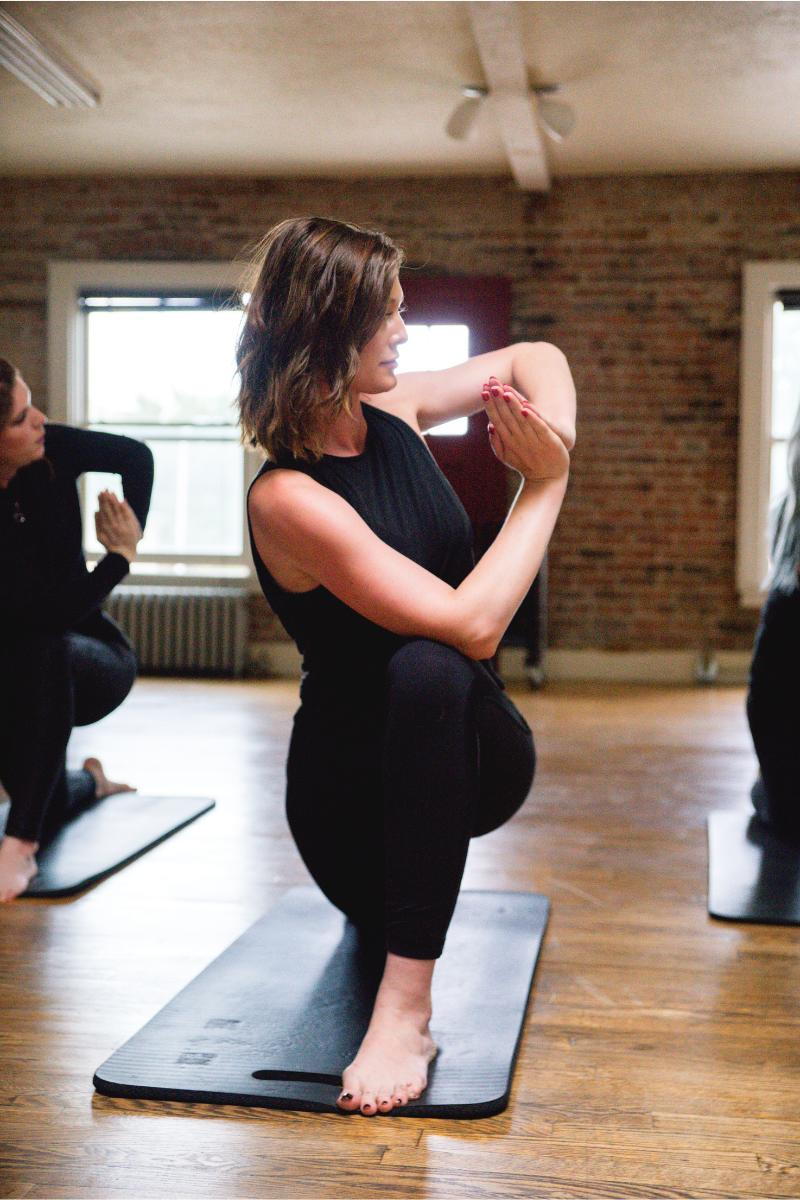 can place a large amount of strain on the connective tissue that attaches the rib to the vertebrae. The ribs when pulled in such force, can separate slightly from the vertebrae from where they attach in the back, which is known as a subluxated rib, or rib misalignment.
Extension with rotation
Leaning backwards and rotating. To picture this, you can imagine being in the back seat of a car with your mom driving. You are fighting for a toy in the back seat with your sibling when your mom reaches back and contorts her body trying to take the toy away from both of you. This can cause ribs to come out of alignment. If fact, this exact scenario is seen often at our clinic and is a very common way to have ribs come out by rotating back with extension of the spine.
Pull ups/ Kipping
Pull ups or kipping, can put a lot of strain on the latissimus dorsi muscle or the "lats," making it a very common exercise to experience rib pain and subluxations. The lats attach onto many of the middle to lower ribs. With pull ups or kipping, it is not uncommon for the lats to place excess tension on the ribs forcing them out of alignment. We recommend the first motion when hanging from the bar during pull ups, is to engage the lower trapezius muscle by pulling the shoulder blades down and back, and maintain that muscle engagement throughout the duration of the pull up. Lastly, you want to focus on bringing your chest to the bar, not your chin.
Muscle imbalances
Muscle imbalances can occur from overuse of the body in a specific direction, poor training, poor posture, and scoliosis. Muscles attach onto bone, therefor muscle imbalance can put a patient at more of a risk for rib's to go out of alignment due to unequal and asymmetrical pulling on the rib. Examples of some asymmetrical exercise include shooting archery, golf, hockey and throwing sports. These all emphasize strength or stretch of one side of the body more than the other. So, using a specific example of shooting archery, we recommend people use exercise bands pulling in the same motion but opposite direction of that they would normally shoot. Exercise that is equal and symmetrical as well as stretching both sides of your body is very important.
Joint hypermobility
Ahlers- Danlos Syndrome patients often have rib subluxations more frequently than the average, because of their hypermobility. Hypermobility results in the ligament and tendons that hold ribs in place to be more lax. This results in the rib attachments having more motion that is needed, potentially causing re-occurring rib subluxations.
Trauma
Direct contact to the ribs can force the rib head away from it's attachment from the transverse process of the vertebrae. This can often be seen from hockey players when checked into the boards or football players who have taken a hit directly to the side of their body.
Underlying conditions
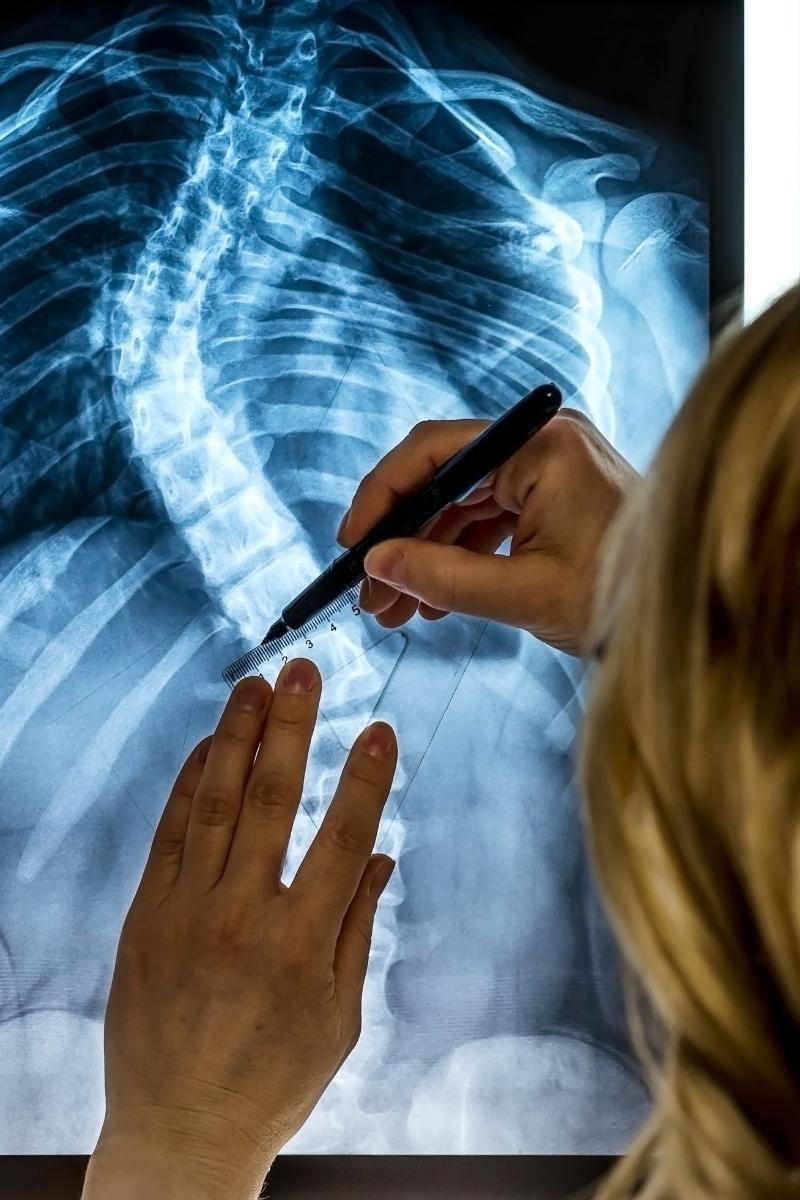
The most common underlying condition that causes ribs to go out of alignment is scoliosis. Scoliosis can cause what is called a rib hump due to the curvatures in the spine. A rib hump can lead to muscle imbalances and mobility discrepancies that can lead to re-occurring rib subluxations. Included are some notable conditions.
- Scoliosis (functional and structural)
- Ehler-Danlos Syndrome
- Slipping Rib Syndrome
Chiropractic treatment for rib subluxation
Chiropractic care is an excellent, safe and effective way to help rib subluxations! Chiropractic care for rib subluxations can require a gentle pressure on the specific rib effected. The gentle pressure is used to regain motion and proper alignment of the subluxated rib. The adjustment and muscle work applied will also reduces muscle tension, which will make breathing much less sharp and painful. Reduction of symptoms are often noticed immediately following treatment. The chiropractor will often prescribe exercises to help maintain the rib position as well as prevent re-occurring rib subluxations.
To schedule call us at 406-551-2177 or go online to gallatinvalleychiropractic.com
- posted: Dec. 18, 2023
What am I doing to cause my ribs to come out of alignment?
If you have had a rib "go out" or if you've been told you that you have a "rib subluxation" it simply means your rib is not where it should be and lacks proper motion in the joint. This can cause muscle spasming, inflammation, pain with taking a deep breath and pain with many thoracic spine movements.
Rib subluxations can even cause inflammatory conditions such as costochondritis, myositis, and intercostal neuritis, that can all cause pain in the ribs and even radiating pain to the front of the chest at and sternum.
Individuals who have had rib subluxations or misalignment know how "finicky" ribs can be even after they get properly adjusted. They can be easily re-aggravated and often take more than one chiropractic adjustment to get back to no pain and full range of motion. So, the question we get all of the time at our chiropractic clinic is "what am I doing to cause my ribs to come out of alignment?" This blog will answer exactly that!
Here are some common causes in which ribs get misaligned
Bending and twisting
Lifting in a hurry, with poor form, is a quick way to pull a rib out of alignment. The bending, twisting and lifting mechanism can place a large amount of strain on the connective tissue that attaches the rib to the vertebrae. The ribs when pulled in such force, can separate slightly from the vertebrae from where they attach in the back, which is known as a subluxated rib, or rib misalignment.
Extension with rotation
Leaning backwards and rotating. To picture this, you can imagine being in the back seat of a car with your mom driving. You are fighting for a toy in the back seat with your sibling when your mom reaches back and contorts her body trying to take the toy away from both of you. This can cause ribs to come out of alignment. If fact, this exact scenario is seen often at our clinic and is a very common way to have ribs come out by rotating back with extension of the spine.
Pull ups/ Kipping
Pull ups or kipping, can put a lot of strain on the latissimus dorsi muscle or the "lats," making it a very common exercise to experience rib pain and subluxations. The lats attach onto many of the middle to lower ribs. With pull ups or kipping, it is not uncommon for the lats to place excess tension on the ribs forcing them out of alignment. We recommend the first motion when hanging from the bar during pull ups, is to engage the lower trapezius muscle by pulling the shoulder blades down and back, and maintain that muscle engagement throughout the duration of the pull up. Lastly, you want to focus on bringing your chest to the bar, not your chin.
Muscle imbalances
Muscle imbalances can occur from overuse of the body in a specific direction, poor training, poor posture, and scoliosis. Muscles attach onto bone, therefor muscle imbalance can put a patient at more of a risk for rib's to go out of alignment due to unequal and asymmetrical pulling on the rib. Examples of some asymmetrical exercise include shooting archery, golf, hockey and throwing sports. These all emphasize strength or stretch of one side of the body more than the other. So, using a specific example of shooting archery, we recommend people use exercise bands pulling in the same motion but opposite direction of that they would normally shoot. Exercise that is equal and symmetrical as well as stretching both sides of your body is very important.
Joint hypermobility
Ahlers- Danlos Syndrome patients often have rib subluxations more frequently than the average, because of their hypermobility. Hypermobility results in the ligament and tendons that hold ribs in place to be more lax. This results in the rib attachments having more motion that is needed, potentially causing re-occurring rib subluxations.
Trauma
Direct contact to the ribs can force the rib head away from it's attachment from the transverse process of the vertebrae. This can often be seen from hockey players when checked into the boards or football players who have taken a hit directly to the side of their body.
Underlying conditions
The most common underlying condition that causes ribs to go out of alignment is scoliosis. Scoliosis can cause what is called a rib hump due to the curvatures in the spine. A rib hump can lead to muscle imbalances and mobility discrepancies that can lead to re-occurring rib subluxations. Included are some notable conditions.
- Scoliosis (functional and structural)
- Ehler-Danlos Syndrome
- Slipping Rib Syndrome
Chiropractic treatment for rib subluxation
Chiropractic care is an excellent, safe and effective way to help rib subluxations! Chiropractic care for rib subluxations can require a gentle pressure on the specific rib effected. The gentle pressure is used to regain motion and proper alignment of the subluxated rib. The adjustment and muscle work applied will also reduces muscle tension, which will make breathing much less sharp and painful. Reduction of symptoms are often noticed immediately following treatment. The chiropractor will often prescribe exercises to help maintain the rib position as well as prevent re-occurring rib subluxations.
To schedule call us at 406-551-2177 or go online to gallatinvalleychiropractic.com
Location
Find us on the map
Gallatin Valley Chiropractic of Bozeman
626 S. Ferguson Ave., Suite 5
Bozeman, MT 59718, US
Office Hours
Monday
7:00 am - 6:00 pm
Tuesday
7:00 am - 6:00 pm
Wednesday
7:00 am - 6:00 pm
Thursday
7:00 am - 6:00 pm
Friday
7:00 am - 6:00 pm
Saturday
8:00 am - 1:00 pm
Sunday
11:00 am - 4:00 pm