Cervical Spine Nerves
- posted: May 14, 2013
Chiropractic Treatment of the Cervical Spine
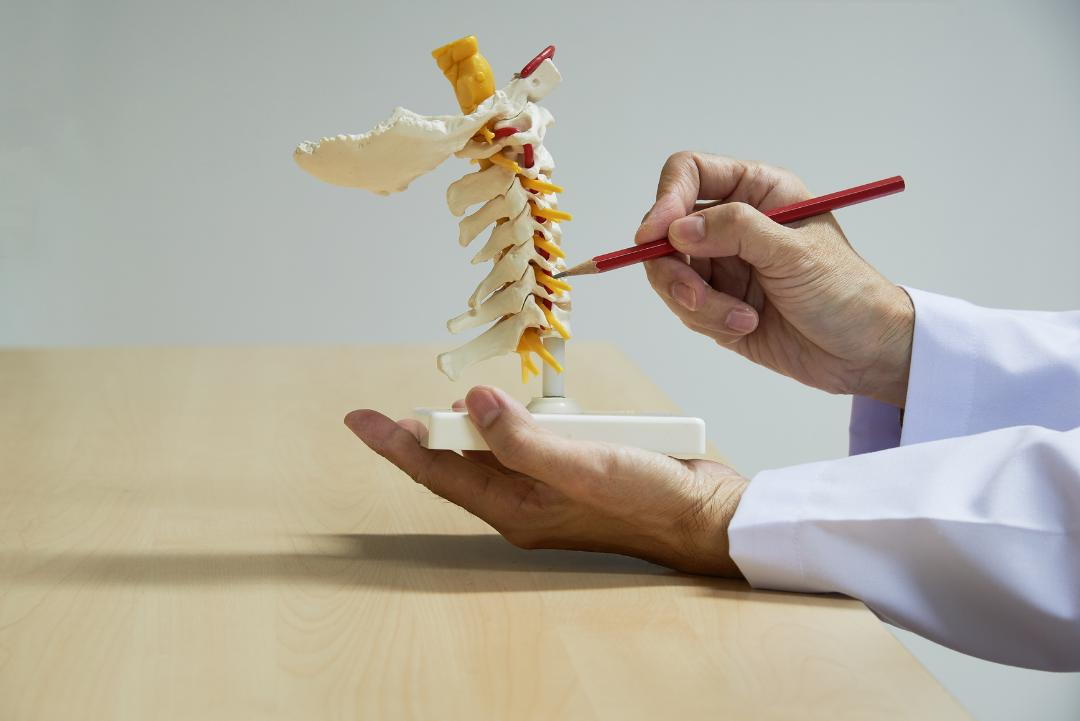
Neck (cervical spine) pain is a common issue among many people. The cervical spine consists of seven vertebrae that start from the base of your head to the upper area of your shoulders. If the cervical spine is lacking mobility, aligned properly, or has pressure on the nerves exiting the spinal cord, it can cause many different unwanted symptoms other than just pain. Listed below are the vertebrae in the cervical spine and some organs and conditions that each segment may affect.
C1- Also known as the Atlas, is the vertebrae supporting the skull. One of the most important vertebrae in the body to be aligned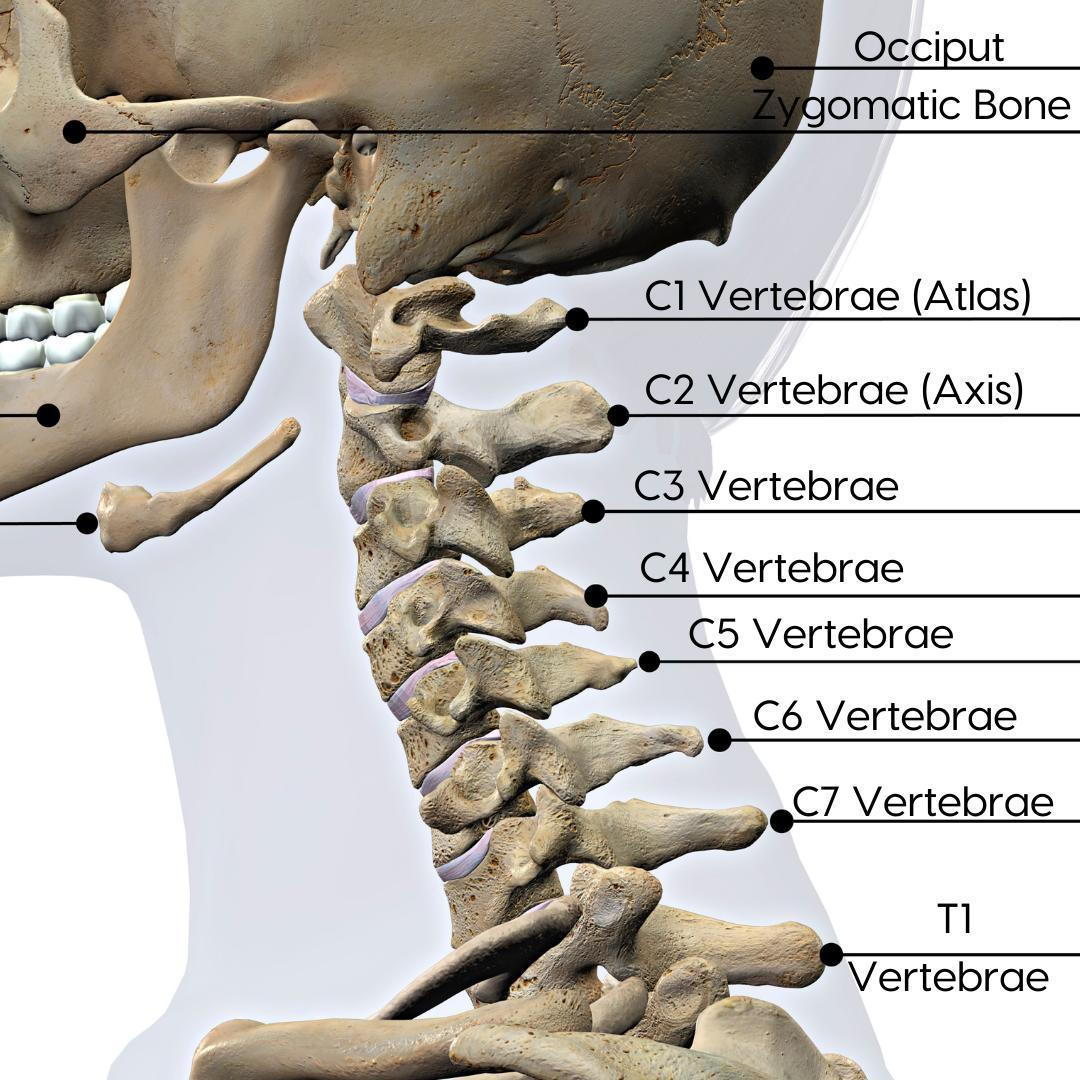 Cervical Spine Vertebrae properly. The movement of the atlas deals primarily with the looking up and down (Yes and No) movement of the neck.
- This vertebrae alone can cause major conditions that can range from sinus issues and congestion, to increased blood pressure and severe migraine headaches. Due to it's close proximity to the jaw bone, it's misalignment can cause tension and pressure leading to TMJ pain and dysfunction. Other conditions are ear infections, and anything involving blood supply to the head. We have found subluxation (misalignment) to C1 can cause other issues such as altered vision and brain fog (feeling of confusion and disorganized) as well.
C2 - Also known as the Axis, also a very important segment, this vertebrae rotates around the first vertebrae controlling almost 50% of the necks rotation! This is also a unique vertebrae as it is the only vertebrae in the entire spine that has the "Dens", which is a protuberance out the top of the vertebrae that creates a pivoting point with C1
- With it misaligned, many people get conditions involving sinus infections and hearing issues. It also relates to the optic nerve and therefor can affect vision. Also very common issues involving C1 and C2 vertebrae is balance and the vestibular system, which misalignment can cause vertigo and dizziness. It also can be a common contributor to cervicogenic, or neck tension headaches.
C3 - This is the first typical vertebrae in the neck (just below the atlas and axis), and combines with other nerves to make the phrenic nerve to the diaphragm for breathing.
- Misalignment and dysfunction commonly affects breathing, as well as affecting the muscles that can help stabilize the jaw and neck structures for swallowing.
C4 - This nerve controls neck extensors (looking up) as well as raising shoulder blades and trapezius as well as the diaphragm with C3 and C5.
- Misalignment and dysfunction affects mostly the nerves that also innervate the diaphragm. This is important in breathing issues such as asthma and other forms of COPD. There have been cases where chiropractic has also helped hiccups, due to diaphragm spasm.
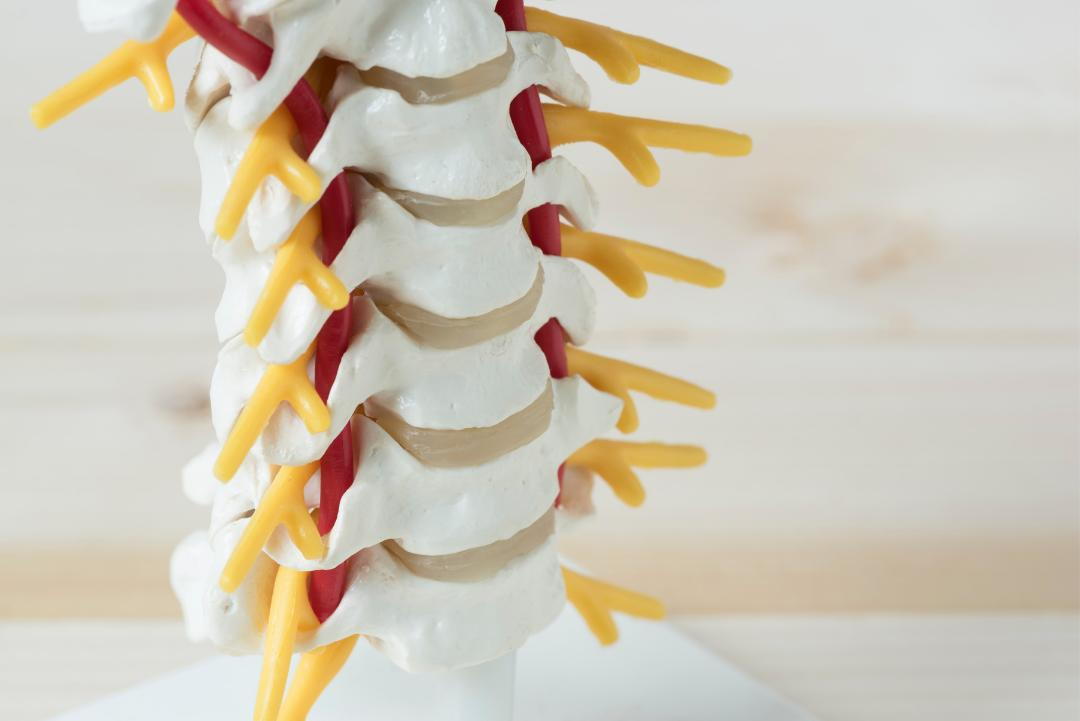 Cervical spine nerves
C5- Has sensory and motor nerves emerging from underneath the vertebrae that affect the upper lateral arm.
- Muscles included are the deltoid as well as the biceps muscle. Misalignment and dysfunction can lead to a decrease in sensation and strength in the upper arm. It also affects the vocal cords and glands in the jaw.
C6- Controls the muscles of the wrist and forearm.
- Nerve entrapment at this vertebral segment can cause false cases of carpal tunnel syndrome due to its lack of sensation in the thumb and index finger (which is easily confused with the median nerve in carpal tunnel syndrome in which the thumb, index, and middle finger lack sensation or have pain).
C7- The lowest cervical vertebrae, control of the triceps and muscles in the back of the arm, as well as sensation to the middle finger.
- This vertebrae is also involved with cases that deal with numbness and tingling of the hands and fingers. It also is a major contributor to thoracic outlet syndrome causing numbness and tingling in the arms, hands, and fingers. Pain from this nerve being pinched can refer to the shoulder blade in the back, as well as the back of the arm causing pins and needles sensation (paresthesia) as well as a burning pain in the arm and back.
C8 (Nerve ONLY)- Although there is not a C8 vertebrae in the typical human spine (although some people have extra vertebrae), there still is a C8 nerve root that exits between the C7 vertebrae and the T1 (first thoracic) vertebrae.
- The C8 nerve innervates the sensation of the skin on the little finger as well as the muscles of the trunk and upper extremity such as flexion of the fingers.
Overall, joint dysfunction and subluxation (misalignment) of the cervical spine, or neck, may cause a great variety of conditions. Many of them may not seem directly related, but can play a major role in the diagnosis and treatment of some of these conditions.
Fortunately, there is a simple and natural way to help with these issues. Chiropractic cervical spine adjustments are a very effective way to treat and even prevent these symptoms and conditions. Check out our page on Services and Chiropractic Techniques for more info! Call the awesome doctors at Gallatin Valley Chiropractic, your Chiropractors in Bozeman, MT!
If you were not looking for chiropractic care or are unable to see us, you might want to try traction therapy. Using a traction machine can ease nerve root issues caused by compression injuries, including herniated discs. The machine works by stretching the spine, which creates space between the vertebrae and lessens pressure on the nerves. Here is a link to a cervical spine at home traction unit on amazon that we have had great results with in our patients. Nonetheless, it's crucial to seek advice from a healthcare professional to verify if traction therapy is appropriate and use it in conjunction with other treatments if required.
Did you want to check out what the next 12 vertebrae and nerves do in the body? Check out our Thoracic (middle back) Spine blog at thoracic spine nerves and subluxation blog!
Want to keep learning!? The lowest 5 vertebrae in the spine are the Lumbar vertebrae... learn about the Lumbar Spine Nerves HERE.
 Call us: 406-551-2177
Schedule online at: https://appointments.mychirotouch.com/?clinic=GVCL0001
- posted: May 14, 2013
Chiropractic Treatment of the Cervical Spine
Neck (cervical spine) pain is a common issue among many people. The cervical spine consists of seven vertebrae that start from the base of your head to the upper area of your shoulders. If the cervical spine is lacking mobility, aligned properly, or has pressure on the nerves exiting the spinal cord, it can cause many different unwanted symptoms other than just pain. Listed below are the vertebrae in the cervical spine and some organs and conditions that each segment may affect.
C1- Also known as the Atlas, is the vertebrae supporting the skull. One of the most important vertebrae in the body to be alignedCervical Spine Vertebrae properly. The movement of the atlas deals primarily with the looking up and down (Yes and No) movement of the neck.
- This vertebrae alone can cause major conditions that can range from sinus issues and congestion, to increased blood pressure and severe migraine headaches. Due to it's close proximity to the jaw bone, it's misalignment can cause tension and pressure leading to TMJ pain and dysfunction. Other conditions are ear infections, and anything involving blood supply to the head. We have found subluxation (misalignment) to C1 can cause other issues such as altered vision and brain fog (feeling of confusion and disorganized) as well.
C2 - Also known as the Axis, also a very important segment, this vertebrae rotates around the first vertebrae controlling almost 50% of the necks rotation! This is also a unique vertebrae as it is the only vertebrae in the entire spine that has the "Dens", which is a protuberance out the top of the vertebrae that creates a pivoting point with C1
- With it misaligned, many people get conditions involving sinus infections and hearing issues. It also relates to the optic nerve and therefor can affect vision. Also very common issues involving C1 and C2 vertebrae is balance and the vestibular system, which misalignment can cause vertigo and dizziness. It also can be a common contributor to cervicogenic, or neck tension headaches.
C3 - This is the first typical vertebrae in the neck (just below the atlas and axis), and combines with other nerves to make the phrenic nerve to the diaphragm for breathing.
- Misalignment and dysfunction commonly affects breathing, as well as affecting the muscles that can help stabilize the jaw and neck structures for swallowing.
C4 - This nerve controls neck extensors (looking up) as well as raising shoulder blades and trapezius as well as the diaphragm with C3 and C5.
- Misalignment and dysfunction affects mostly the nerves that also innervate the diaphragm. This is important in breathing issues such as asthma and other forms of COPD. There have been cases where chiropractic has also helped hiccups, due to diaphragm spasm.Cervical spine nerves
C5- Has sensory and motor nerves emerging from underneath the vertebrae that affect the upper lateral arm.
- Muscles included are the deltoid as well as the biceps muscle. Misalignment and dysfunction can lead to a decrease in sensation and strength in the upper arm. It also affects the vocal cords and glands in the jaw.
C6- Controls the muscles of the wrist and forearm.
- Nerve entrapment at this vertebral segment can cause false cases of carpal tunnel syndrome due to its lack of sensation in the thumb and index finger (which is easily confused with the median nerve in carpal tunnel syndrome in which the thumb, index, and middle finger lack sensation or have pain).
C7- The lowest cervical vertebrae, control of the triceps and muscles in the back of the arm, as well as sensation to the middle finger.
- This vertebrae is also involved with cases that deal with numbness and tingling of the hands and fingers. It also is a major contributor to thoracic outlet syndrome causing numbness and tingling in the arms, hands, and fingers. Pain from this nerve being pinched can refer to the shoulder blade in the back, as well as the back of the arm causing pins and needles sensation (paresthesia) as well as a burning pain in the arm and back.
C8 (Nerve ONLY)- Although there is not a C8 vertebrae in the typical human spine (although some people have extra vertebrae), there still is a C8 nerve root that exits between the C7 vertebrae and the T1 (first thoracic) vertebrae.
- The C8 nerve innervates the sensation of the skin on the little finger as well as the muscles of the trunk and upper extremity such as flexion of the fingers.
Overall, joint dysfunction and subluxation (misalignment) of the cervical spine, or neck, may cause a great variety of conditions. Many of them may not seem directly related, but can play a major role in the diagnosis and treatment of some of these conditions.
Fortunately, there is a simple and natural way to help with these issues. Chiropractic cervical spine adjustments are a very effective way to treat and even prevent these symptoms and conditions. Check out our page on Services and Chiropractic Techniques for more info! Call the awesome doctors at Gallatin Valley Chiropractic, your Chiropractors in Bozeman, MT!
If you were not looking for chiropractic care or are unable to see us, you might want to try traction therapy. Using a traction machine can ease nerve root issues caused by compression injuries, including herniated discs. The machine works by stretching the spine, which creates space between the vertebrae and lessens pressure on the nerves. Here is a link to a cervical spine at home traction unit on amazon that we have had great results with in our patients. Nonetheless, it's crucial to seek advice from a healthcare professional to verify if traction therapy is appropriate and use it in conjunction with other treatments if required.
Did you want to check out what the next 12 vertebrae and nerves do in the body? Check out our Thoracic (middle back) Spine blog at thoracic spine nerves and subluxation blog!
Want to keep learning!? The lowest 5 vertebrae in the spine are the Lumbar vertebrae... learn about the Lumbar Spine Nerves HERE.
Call us: 406-551-2177
Schedule online at: https://appointments.mychirotouch.com/?clinic=GVCL0001
Location
Find us on the map
Gallatin Valley Chiropractic of Bozeman
626 S. Ferguson Ave., Suite 5
Bozeman, MT 59718, US
Office Hours
Monday
7:00 am - 6:00 pm
Tuesday
7:00 am - 6:00 pm
Wednesday
7:00 am - 6:00 pm
Thursday
7:00 am - 6:00 pm
Friday
7:00 am - 6:00 pm
Saturday
8:00 am - 1:00 pm
Sunday
11:00 am - 4:00 pm