Active Release Technique- Chiropractor Bozeman Montana

- posted: Aug. 24, 2021
What is Active Release Technique?
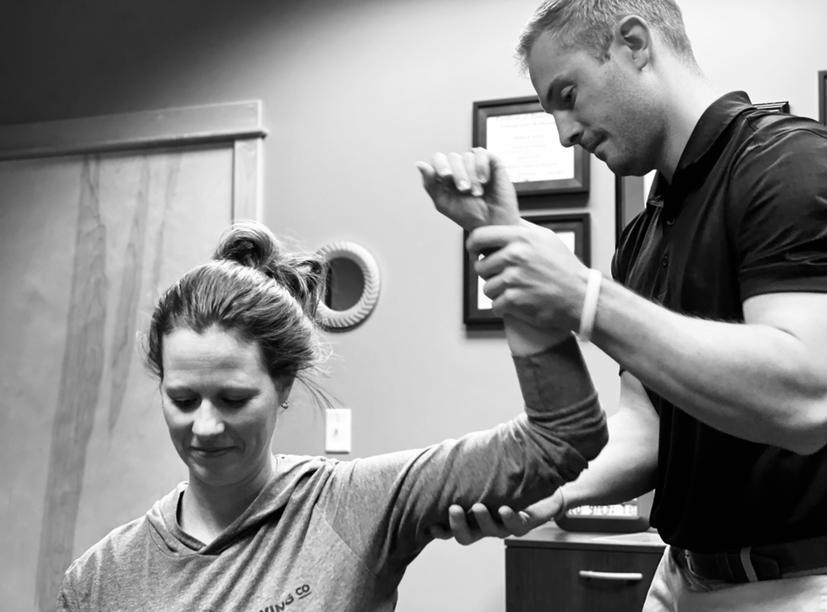
Active release technique is a hands-on, soft tissue technique that is used to correct changes in tissues that are injured, painful, or have a decrease in motion. Tissues will often become fibrotic, tense and even develop adhesions that prevent normal motion, often resulting in pain. This happens due to trauma, repetitive use, or movement discrepancies. Active Release Technique is performed by having the clinician use a specific protocol to pin-point which tissues are abnormal, followed by the application of pressure over the affected area, and lastly having the patient actively move the tissue from a shortened to lengthened position.
Benefits of receiving Active Release Technique?
- Decreased pain with movement
- Increased range of motion
- Improve lymphatic and vasculature circulation
- Release entrapped nerves
- Release scar tissue
- Resolves issues 4-5 visits
Who should get ART?
Patients with acute or chronic soft tissue injuries that prevent normal movement, either due to tension, adhesions or pain. This includes patients who are subject to sports injury, whiplash, wear and tear from repetitive movements at work, sprains/ strains and scar tissue from past injuries. Additionally patients who want to get better quicker than standard treatment. Studies have confirmed that >95% of conditions are fixed within 4-5 visits.

Research
- The First case study tested Active Release Technique and Joint Mobilization effectiveness for patients with chronic neck pain. It revealed that Active Release Technique and JM both positively affected the Visual Analog Score, Pain Pressure Threshold, and Range of motion, and that the two methods demonstrated few significant differences in their effects. Thus, Active Release Technique and JM are both effective for the treatment of patients with chronic neck pain, but Active Release Technique demonstrated a trend toward greater effectiveness for patients with neck pain involving soft tissue injury.
- The second case study tested the effectiveness of using Active Release Technique for patients with Carpal Tunnel Syndrome. There was significant improvement (p < 0.05) in the mean symptom severity and functional status scores of the Boston Questionnaire following the intervention.
- The last case study evaluated patients who had acetabular labral tears and were treated using Active Release Technique. The results showed that all 4 patients experienced both statistically significant and clinically meaningful improvement in posterolateral hip pain and hip-related function. Three patients also experienced reduction in anteromedial hip pain.
Dr. Clay Winters DC, CSCS has tested to become an 'Elite Provider' and is Full Body Certified in ART, meaning he successfully passed testing in
- Nerve Entrapment
- Upper Extremity level 1
- Upper Extremity level 2
- Lower Extremity
- Spine
Providers who are full body certified in Active Release Technique, mean they have successfully passed credentialing in upper extremity, lower extremity and spine ART, this requires hundreds of hours in training. Active Release Technique is considered "The Gold Standard" of soft tissue work.
Call us: 406-551-2177

Schedule online at: https://appointments.mychirotouch.com/?clinic=GVCL0001
References
Kim, J. H., Lee, H. S., & Park, S. W. (2015, August). Effects of the active release technique on pain and range of motion of patients with chronic neck pain. Journal of physical therapy science. Retrieved November 11, 2021, from https://www.ncbi.nlm.nih.gov/pmc/articles/PMC4563290/.
George JW;Tepe R;Busold D;Keuss S;Prather H;Skaggs CD; (n.d.). The effects of active release technique on carpal tunnel patients: A pilot study. Journal of chiropractic medicine. Retrieved November 11, 2021, from https://pubmed.ncbi.nlm.nih.gov/19674682/.
MK;, C. G. E. M. W. B. G. (n.d.). Myofascial treatment for patients with acetabular labral tears: A single-subject research design study. The Journal of orthopaedic and sports physical therapy. Retrieved November 11, 2021, from https://pubmed.ncbi.nlm.nih.gov/25029918/.
- posted: Aug. 24, 2021
What is Active Release Technique?
Active release technique is a hands-on, soft tissue technique that is used to correct changes in tissues that are injured, painful, or have a decrease in motion. Tissues will often become fibrotic, tense and even develop adhesions that prevent normal motion, often resulting in pain. This happens due to trauma, repetitive use, or movement discrepancies. Active Release Technique is performed by having the clinician use a specific protocol to pin-point which tissues are abnormal, followed by the application of pressure over the affected area, and lastly having the patient actively move the tissue from a shortened to lengthened position.
Benefits of receiving Active Release Technique?
- Decreased pain with movement
- Increased range of motion
- Improve lymphatic and vasculature circulation
- Release entrapped nerves
- Release scar tissue
- Resolves issues 4-5 visits
Who should get ART?
Patients with acute or chronic soft tissue injuries that prevent normal movement, either due to tension, adhesions or pain. This includes patients who are subject to sports injury, whiplash, wear and tear from repetitive movements at work, sprains/ strains and scar tissue from past injuries. Additionally patients who want to get better quicker than standard treatment. Studies have confirmed that >95% of conditions are fixed within 4-5 visits.
Research
- The First case study tested Active Release Technique and Joint Mobilization effectiveness for patients with chronic neck pain. It revealed that Active Release Technique and JM both positively affected the Visual Analog Score, Pain Pressure Threshold, and Range of motion, and that the two methods demonstrated few significant differences in their effects. Thus, Active Release Technique and JM are both effective for the treatment of patients with chronic neck pain, but Active Release Technique demonstrated a trend toward greater effectiveness for patients with neck pain involving soft tissue injury.
- The second case study tested the effectiveness of using Active Release Technique for patients with Carpal Tunnel Syndrome. There was significant improvement (p < 0.05) in the mean symptom severity and functional status scores of the Boston Questionnaire following the intervention.
- The last case study evaluated patients who had acetabular labral tears and were treated using Active Release Technique. The results showed that all 4 patients experienced both statistically significant and clinically meaningful improvement in posterolateral hip pain and hip-related function. Three patients also experienced reduction in anteromedial hip pain.
Dr. Clay Winters DC, CSCS has tested to become an 'Elite Provider' and is Full Body Certified in ART, meaning he successfully passed testing in
- Nerve Entrapment
- Upper Extremity level 1
- Upper Extremity level 2
- Lower Extremity
- Spine
Providers who are full body certified in Active Release Technique, mean they have successfully passed credentialing in upper extremity, lower extremity and spine ART, this requires hundreds of hours in training. Active Release Technique is considered "The Gold Standard" of soft tissue work.
Call us: 406-551-2177
Schedule online at: https://appointments.mychirotouch.com/?clinic=GVCL0001
References
Kim, J. H., Lee, H. S., & Park, S. W. (2015, August). Effects of the active release technique on pain and range of motion of patients with chronic neck pain. Journal of physical therapy science. Retrieved November 11, 2021, from https://www.ncbi.nlm.nih.gov/pmc/articles/PMC4563290/.
George JW;Tepe R;Busold D;Keuss S;Prather H;Skaggs CD; (n.d.). The effects of active release technique on carpal tunnel patients: A pilot study. Journal of chiropractic medicine. Retrieved November 11, 2021, from https://pubmed.ncbi.nlm.nih.gov/19674682/.
MK;, C. G. E. M. W. B. G. (n.d.). Myofascial treatment for patients with acetabular labral tears: A single-subject research design study. The Journal of orthopaedic and sports physical therapy. Retrieved November 11, 2021, from https://pubmed.ncbi.nlm.nih.gov/25029918/.
Location
Find us on the map
Gallatin Valley Chiropractic of Bozeman
626 S. Ferguson Ave., Suite 5
Bozeman, MT 59718, US
Office Hours
Monday
7:00 am - 6:00 pm
Tuesday
7:00 am - 6:00 pm
Wednesday
7:00 am - 6:00 pm
Thursday
7:00 am - 6:00 pm
Friday
7:00 am - 6:00 pm
Saturday
8:00 am - 1:00 pm
Sunday
11:00 am - 4:00 pm